Roof Replacement Planning: The Complete Timeline
Roof replacement is a 4–12 week process. Here's the complete timeline from deciding to replace through contractor selection, project execution, and inspection.
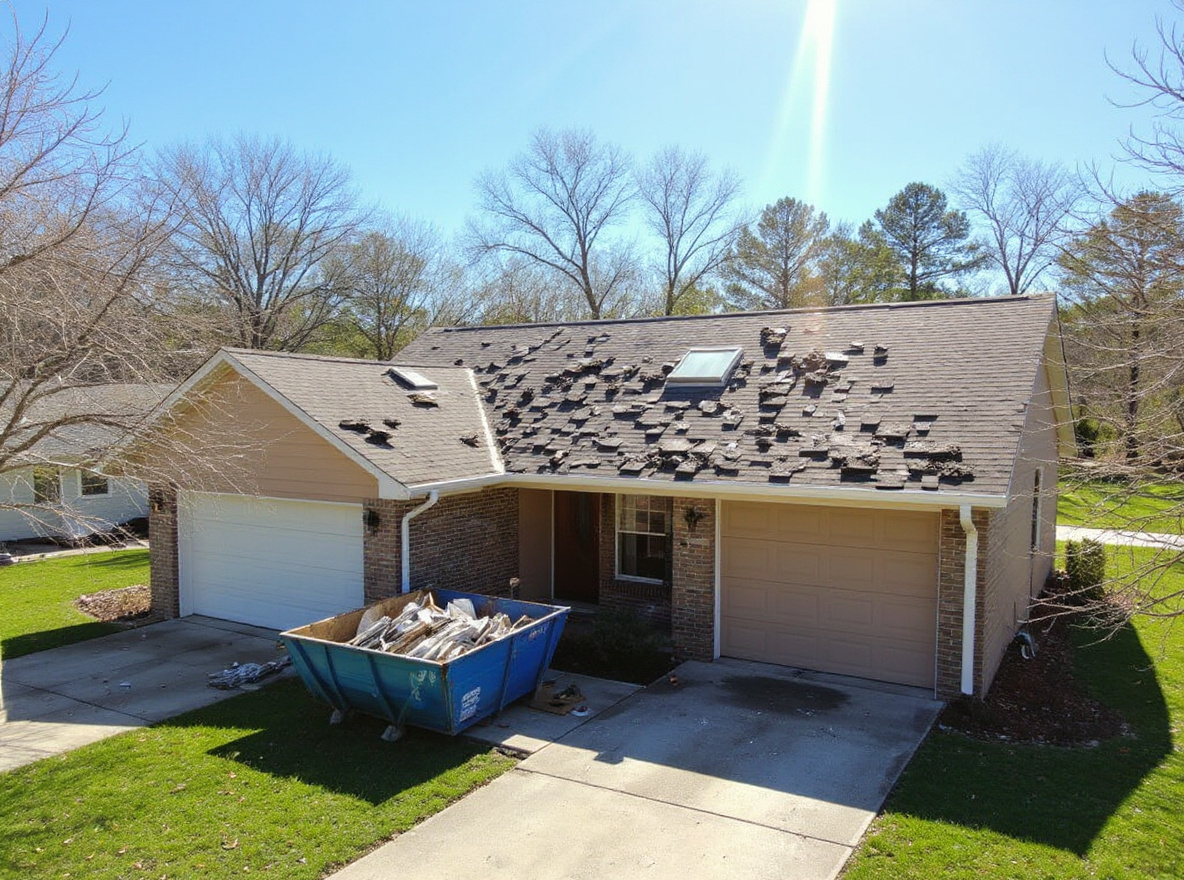
A roof replacement is one of the largest single expenses most homeowners face. On the Gulf Coast, replacement runs $10,000-$30,000+ depending on material and roof size. Yet many homeowners rush through the process because a leak, insurance notice, or home sale forces a quick decision. Planning ahead transforms this from a crisis into a managed project with better outcomes and lower stress.
What you'll learn
- The complete replacement timeline from first signs through warranty registration
- How to start planning 6-12 months before you actually need a new roof
- Key decision points and what to evaluate at each stage
- Gulf Coast-specific timing considerations including hurricane season and insurance deadlines
- A phase-by-phase action plan for a well-managed replacement
Phase 1: Assessment and Decision (Months 6-12 Before)
The planning process starts long before you call a contractor. If your roof is over 15 years old on the Gulf Coast, you should be in assessment mode. Get a professional inspection to establish baseline condition and estimated remaining life. This gives you a timeline to work with rather than reacting to emergencies.
Use the assessment to set a planning horizon. If the inspector estimates 3-5 years of remaining life, you have time to research materials, save or arrange financing, and choose your timing. If the estimate is 1-2 years, accelerate the process. If the inspector says "this year," move to Phase 2 immediately.
Check your insurance situation during this phase. Contact your carrier and ask about their roof age requirements for renewal. If non-renewal is possible, knowing the deadline gives you a clear target for completion. On the Gulf Coast, this insurance check is not optional.
Phase 2: Research and Education (Months 3-6 Before)
Before getting estimates, understand your options. Research roofing materials appropriate for your area (asphalt shingle, metal, tile). Understand the code requirements for your municipality and wind zone. Learn how warranties work. Review what to look for in a contractor. This education makes you a better evaluator when estimates arrive.
Explore financing options early. If you are not paying cash, start investigating financing now. Home equity loans and HELOCs take 2-6 weeks to process. Personal loans are faster but carry higher rates. Knowing your financing options and approximate approval amounts helps you evaluate estimates realistically.
Start identifying contractors. Ask neighbors, friends, and your real estate agent for recommendations. Check online reviews. Verify licensing. Build a list of 3-5 potential contractors to contact for estimates. Starting during the research phase means you are not scrambling for names when ready to get bids.
Phase 3: Estimates and Contractor Selection (Weeks 4-8 Before)
Get at least three detailed written estimates. Schedule each contractor to visit, inspect the roof, and provide a comprehensive written estimate with a full scope of work. Allow 1-2 weeks for all estimates to come in. Do not rush into a decision because the first estimate arrived.
Compare estimates using the line-by-line method. Match up material specifications, underlayment, fastener patterns, flashing approaches, ventilation plans, warranty terms, and cleanup provisions. Understand where price differences originate. Is it materials, labor, warranty, or scope?
Select your contractor and sign the contract. Verify everything one more time: license active, insurance current, references checked, estimate understood, contract terms acceptable. Set the deposit and payment schedule. Confirm the timeline for material ordering and installation scheduling.
Phase 4: Pre-Installation Preparation (Weeks 1-2 Before)
The contractor orders materials and schedules the crew. Material delivery typically happens 1-3 days before installation. Confirm the delivery date and installation start date. Materials should not sit on your property for more than a week before installation because weather exposure degrades packaging and can affect the product.
Prepare your property. Move vehicles, clear the perimeter, protect landscaping, secure loose attic items, remove satellite dishes or antennas in the work area (or coordinate with the contractor for removal and reinstallation). Notify neighbors that construction is coming since noise, debris, and truck activity will affect the immediate area.
Plan for pets and daily routines. Installation days are noisy and disruptive. Arrange for pets to be away from the house or in an interior room. Plan alternate childcare if young children will be home. Know that you will not have normal access to your driveway during work hours.
Phase 5: Installation (Days 1-3)
Day 1 is typically tear-off day. The crew arrives early (usually 7 AM), sets up safety equipment, and begins removing the existing roof. Tear-off is the loudest and messiest phase. Debris goes into the dumpster continuously. By end of day, the old roof is off, decking is inspected, and any damaged decking is replaced.
Day 2 (and sometimes Day 3) is installation. New underlayment, drip edge, flashing, shingles, ridge vents, and all finishing details. On a straightforward roof, a good crew completes installation in one full day after tear-off. Complex roofs (steep pitch, many valleys, multiple penetrations) may take an additional day.
End-of-project cleanup is the final step. The crew removes the dumpster, performs magnetic nail sweeping, cleans gutters, and leaves the property in the condition specified in the scope. Walk the perimeter before the crew leaves. Note any concerns and address them immediately with the project manager.
Phase 6: Post-Installation (Weeks 1-2 After)
Building inspection happens within 1-2 weeks. The contractor schedules the final inspection with the building department. The inspector verifies code compliance including nailing patterns, underlayment, drip edge, flashing, and ventilation. Pass means the work meets code.
Warranty registration should happen within 30 days. Confirm with your contractor that manufacturer warranty registration is complete. Request a copy of the registration confirmation. Also request the written workmanship warranty as a separate document.
Schedule a wind mitigation inspection ($75-$150). This inspection documents the storm-resistant features of your new roof for insurance credit purposes. Submit the completed form to your insurance company and request a premium re-quote. The savings typically begin immediately, not at renewal. On the Gulf Coast, wind mitigation credits from a new roof can save $800-$2,000+ per year.
Make your final payment per the contract terms. Most contracts specify final payment upon completion and your satisfaction or upon passing final inspection. Do not pay the final installment until you have walked the property, confirmed the work matches the scope, and confirmed the building inspection passed.
Gulf Coast-Specific Timing Factors
Generic replacement timelines miss the things that actually drive scheduling on the Gulf Coast. Hurricane season, post-storm contractor backlogs, Florida Building Code triggers, and FORTIFIED certification windows all change when you should start, when you should sign, and when you should expect a finished roof.
Hurricane Season Pressure (and How to Resist It)
Don't let a contractor rush you into a job just because June 1 is approaching. The hurricane-season urgency is real, but it's also the most common pressure tactic Gulf Coast contractors use to skip estimate comparisons and reference checks. A roof in good condition that's still 5-7 years from end of life is not an emergency on May 15 — it's a planning decision that benefits from a calm February or March installation. Replace because the roof actually needs it, not because the calendar says so.
Post-Storm vs Planned Replacement Sequencing
The 6-12 month backlog that forms after major Gulf Coast hurricanes is the single biggest timing factor most homeowners don't anticipate. After Hurricane Michael (2018), Hurricane Sally (2020), Hurricane Ida (2021), and Hurricane Ian (2022), affected Florida, Alabama, and Mississippi counties saw legitimate local contractors booked 6-12 months out. Material lead times for specialty roofing (metal, tile) stretched to 16-20 weeks. If you're inside one of those impact zones, the planned-replacement timeline doubles or triples.
The way to get ahead of a post-storm backlog is to be in the queue before the storm hits. Contractors prioritize existing customers and signed contracts. A homeowner who already had an inspection on file and a relationship with a local roofer will get serviced weeks or months before someone calling cold after the storm. If you're in a high-risk Gulf Coast county and your roof is past 15 years, schedule an inspection in the spring even if you're not ready to replace — it puts you in the system.
Florida Building Code and FORTIFIED Requirements
Any replacement project in Florida triggers current Florida Building Code (FBC) compliance for the entire roof, not just the damaged sections. This affects underlayment specifications (peel-and-stick or self-adhered in HVHZ counties), nailing patterns, drip edge requirements, and secondary water resistance. Plan for the contractor to scope to current code, not match the old roof. In Miami-Dade and Broward, the High Velocity Hurricane Zone (HVHZ) standards add an additional layer of product approval requirements.
FORTIFIED Home certification adds 2-4 weeks to the planning phase but pays for itself within 5-7 years through insurance discounts in most Gulf Coast markets. The certification requires specific underlayment, sealed deck, and ring-shank nail patterns, plus inspection by a certified FORTIFIED evaluator before the shingles go on. If you want FORTIFIED, you must specify it before signing the contract — retrofitting a non-FORTIFIED installation isn't possible. Build the certification timing into your planning if you want the insurance benefit.
Your roof inspection says 2-3 years of remaining life. It is January on the Gulf Coast. What is your ideal timeline?
Reveal answer
Start Phase 2 (research) now in January. Get estimates in February-March (Phase 3), when contractors are least busy and pricing is most competitive. Select a contractor and schedule installation for March-April, before hurricane season starts June 1. This timing gives you the best pricing (off-peak), the best contractor availability, and a new roof before storm season. Post-installation, get the wind mitigation inspection by May and submit to your insurer to capture premium savings starting with the June renewal cycle.
Frequently Asked Questions
- How long does a roof replacement take from start to finish?
- The physical installation takes 1-3 days for most residential roofs. But the full process from initial assessment through final inspection takes 4-10 weeks. The timeline breaks down roughly as: assessment and decision (1-2 weeks), getting estimates and selecting a contractor (2-4 weeks), scheduling and material ordering (1-3 weeks), installation (1-3 days), and final inspection and warranty registration (1-2 weeks).
- Can I live in my house during a roof replacement?
- Yes. Most homeowners stay in their home during the replacement. Expect significant noise from roughly 7 AM to 5 PM during installation days. There will be debris, trucks, and equipment in your driveway and yard. Interior dust may shake loose from vibration. If you have pets, plan for them to be indoors or away during installation.
- Do I need to move anything before the crew arrives?
- Yes. Move vehicles out of the driveway and away from the house. Remove patio furniture, grills, and anything breakable near the house perimeter. Take down wall-mounted items inside that vibration might dislodge. Cover attic items with tarps if your attic has exposed storage. Clear a path for the crew to access all sides of the house.
- What if it rains during my roof replacement?
- Experienced Gulf Coast contractors monitor weather forecasts closely and plan accordingly. If rain is expected mid-project, the crew will tarp exposed areas at the end of each day. Most contractors will not start tear-off if significant rain is forecast within 24 hours. Brief afternoon showers are manageable with temporary tarping.
Ready to Start Planning?
Southern Roofing Systems guides homeowners through the entire replacement process. From initial assessment through warranty registration, we make it straightforward.
Start Your Replacement Plan